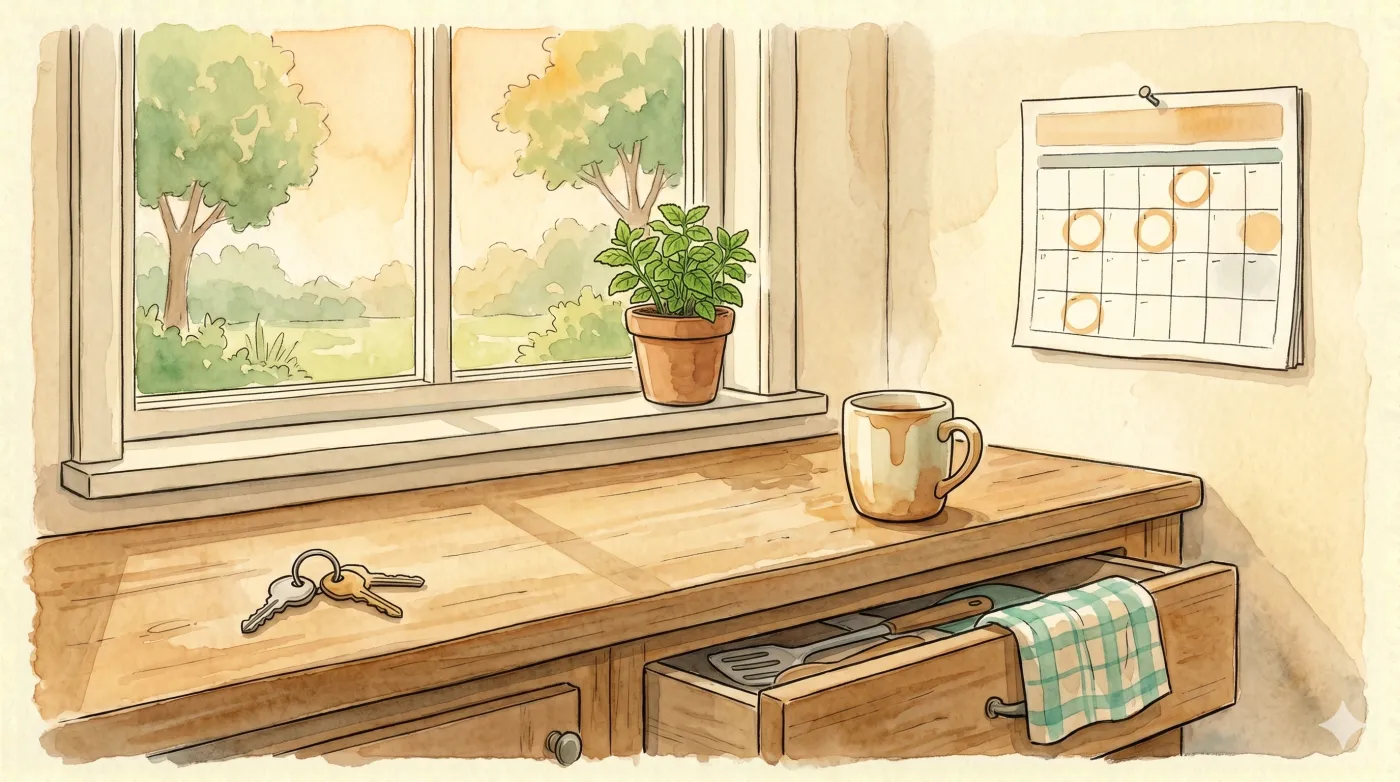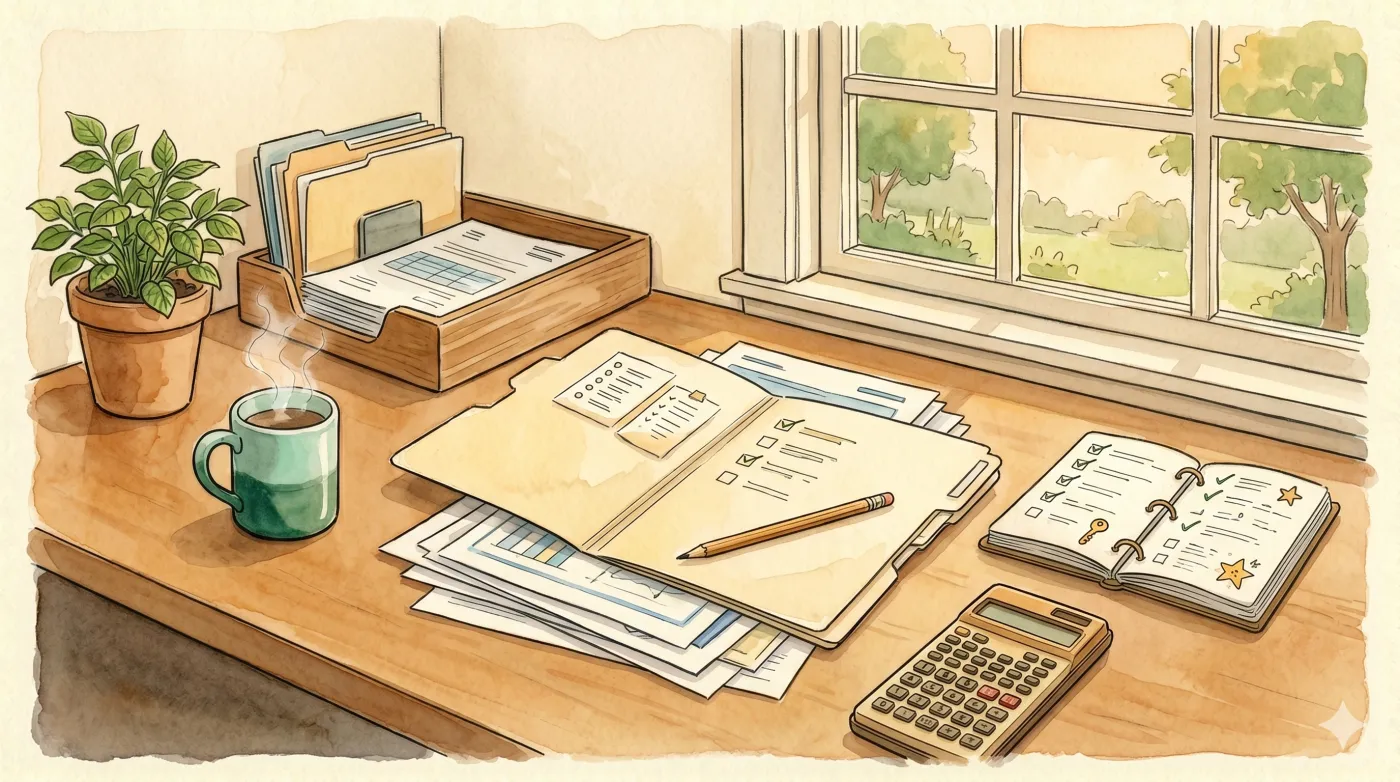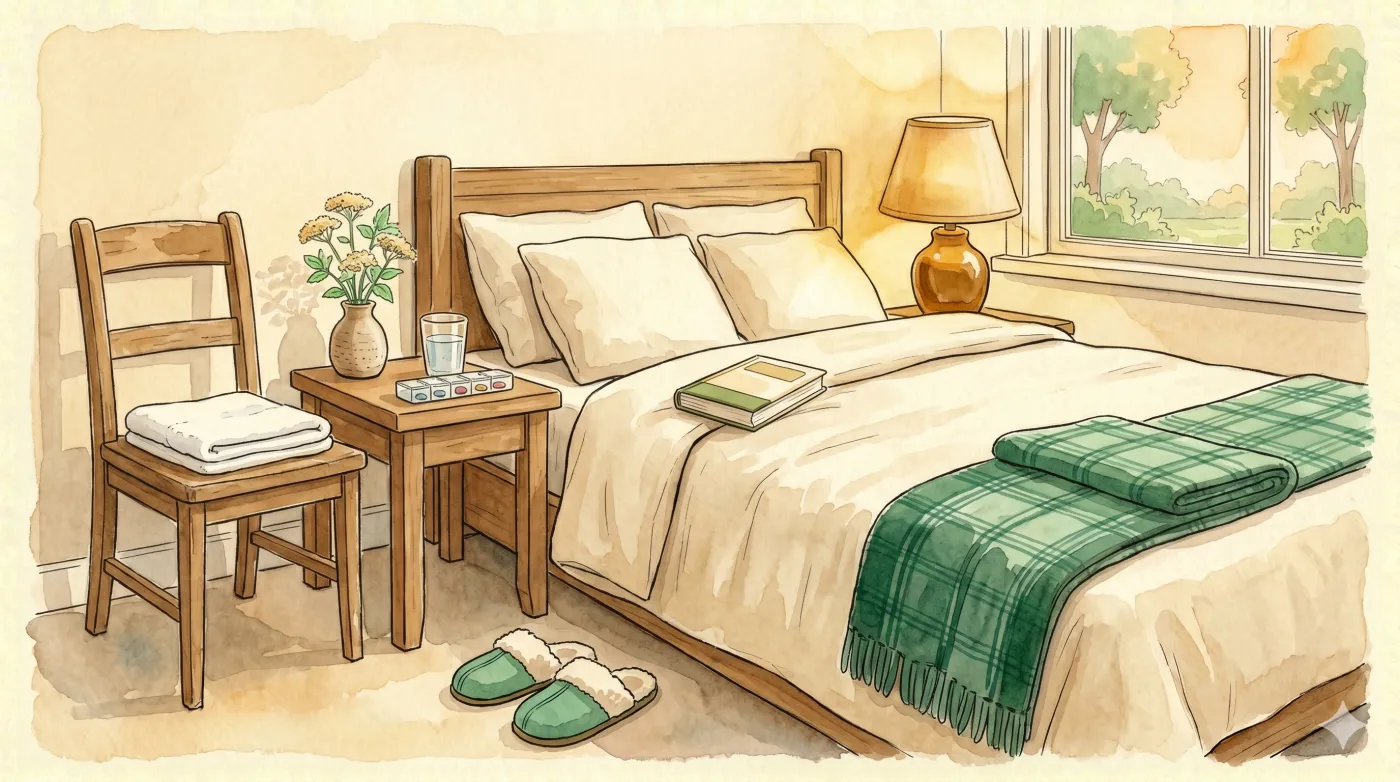
The first three days home from the hospital can be the hardest part of recovery. The discharge happens fast, the instructions are a blur, and suddenly you're the one in charge of medications, mobility, and watching for problems. This checklist is what we wish every Alberta family had taped to the fridge before they left the ward.
Why the first 72 hours matter
In the first few days, watch for the same handful of things that can send someone back to hospital: a medication mix-up, a fall, a missed follow-up appointment, or a warning sign that goes unnoticed until it becomes an emergency. Getting these right helps keep recovery on track.
Before they leave the ward, ask for three things in writing: the updated medication list, the warning signs to watch for, and the date and time of any follow-up appointment. If anything is unclear, ask the nurse to explain it again — discharge day is not the time to be polite about being confused.
Your first-72-hours checklist
- Sort the medications first. Compare the new discharge list against everything already in the medicine cabinet. Hospitals often start, stop, or change doses, and old bottles left in the cabinet can lead to double-dosing. When in doubt, ask the pharmacist to reconcile the list. Set up a dosette for the week.
- Make the home safe to move through. Clear walking paths, remove loose rugs and cords, put a light within reach of the bed, and set up everything they'll need on one floor if stairs are a problem. Pay special attention to the path to the bathroom, especially at night.
- Set up the recovery space. Water, phone, charger, tissues, glasses, the call list, and any equipment (walker, commode, dressings) within arm's reach. Keep a notepad for questions as they come up.
- Confirm the follow-up appointment. Call to book or confirm the follow-up with the family doctor or specialist — ideally within the first week. Arrange the ride now, not the morning of.
- Watch for the warning signs. Know what's normal for this recovery and what isn't (see below), and keep the discharge paperwork somewhere everyone can find it.
- Line up help for the gaps. Be honest about the hours nobody's around — overnight, early mornings, your work hours. That's exactly where a caregiver fills in.
Red flags — when to call for help
Call 911 right away for an emergency, such as chest pain, trouble breathing, sudden confusion or a bad fall. For anything else concerning, call the family doctor, or Health Link at 811 for advice. Don't wait it out if you notice:
- Fever, chills, or a surgical wound that's red, swollen, leaking, or opening.
- Chest pain, shortness of breath, or sudden confusion.
- A fall, or new weakness or dizziness that makes standing unsafe.
- Uncontrolled pain, repeated vomiting, or not keeping fluids down.
- Not taking medications correctly, or running out before the refill.
Trust your gut. Families are usually the first to notice "something's not right" — long before a number on a chart confirms it. If your instinct says call, call.
How #1 Right Care helps after a discharge
Coming home from the hospital is a time when speed matters. Our phones are answered 24/7, and a coordinator calls you back within the hour, day or night, to start planning care. If your loved one has a home care case manager, you stay in touch with them and make the calls. Before you speak with them, we'll explain what to ask, so nothing falls through the cracks. If your loved one was on Client Directed Home Care Invoicing (CDHCI) before the hospital stay, the case manager confirms it again before visits restart. Private pay is also available, on its own or on top of approved CDHCI hours, with a written quote before any care starts.
- Personal care and medication reminders through the riskiest early days.
- Overnight and 24/7 coverage for the hours family can't be there.
- A hand-matched caregiver — chosen by personality, language, schedule and need. If the match isn't right, we'll re-match at no extra cost.
Coming home from the hospital?
Our phones are answered 24/7, and a coordinator calls back within the hour, day or night. We'll build a plan around the recovery, explain how approved CDHCI hours work, and give you a written quote before any private care starts.
This article is general information for Alberta families, not medical advice. Always follow the specific discharge instructions from the hospital and care team. In an emergency call 911; for health advice call the family doctor or Health Link at 811. #1 Right Care provides post-hospital home care across Calgary, Edmonton, Red Deer, and Lethbridge.